 |
 |
 |
 |
||||||||||||
 |
 |
 |
 |
||||||||||||
 |
|
|
|
|
|
|
|
|
|
|
|
|
|
|
|
 |
||
|
|
|
 |
 |
 |
 |
|||||
|
|
|
|
|
|
|
|
|
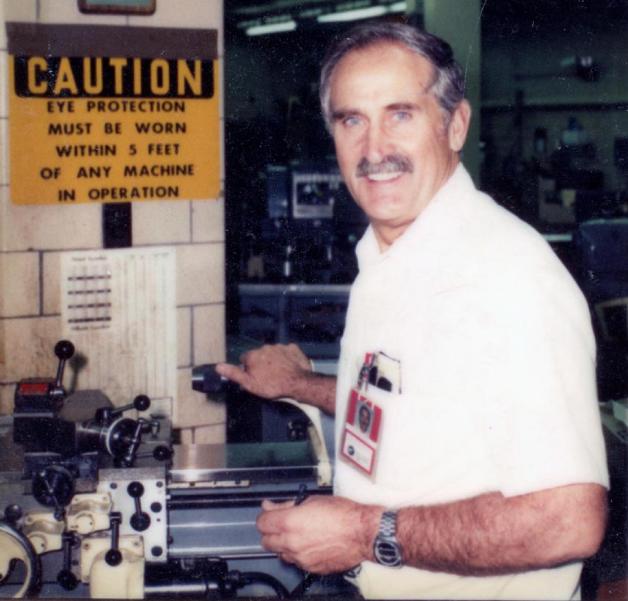
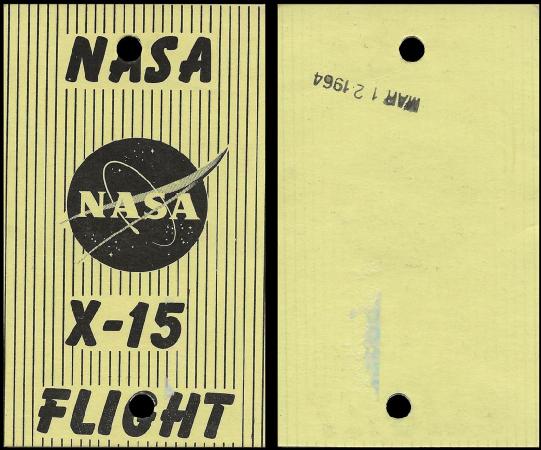
Personnel that assisted with a flight were given badges to allow them access to the aircraft while on the B-52 or after landing out on the lakebed. One shop that always required representatives to be on hand was the X-15 Rocket Shop. One of those who worked in this shop was Dave Stoddard. He kept many of the badges he was issued over the years as mementos, and after his death at age 96 on 20 Sep. 2020, his son, Neil, shared his dad's collection of flight badges.
all images this page Dave Stoddard collection, courtesy Neil Stoddard |
For the first three years of the hypersonic flight research program, there was no standardization of the flight badges. They tended to be haphazard in their shape and markings, as you'll see in the collection below. However, by around August 1962 the shape finally settled down to a simple rectangle. These were obviously easier to produce then cutting the corners off, or creating a triangle.
Also note that on the back of most of Dave's badges, he wrote the date, and also included notes about the flights as a reminder of what happened each time. |
|||
|
|
|
|
|
 |
||||
"You have tied those simple Xerox badges, which are copied on colored paper stock, into a real part in X-15 history that can be appreciated by the X-15 fanatic. Just Brilliant. The photos bring the flight badge story to life and my dad will never be forgotten."
— Neil Stoddard |
||||
|
|
|
|
|
Dave Stoddard at work at NASA. He was instrumental to the success of the X-15 rocket plane. |
||
|
|
|
 |
 |
|||
|
|
|
|
|
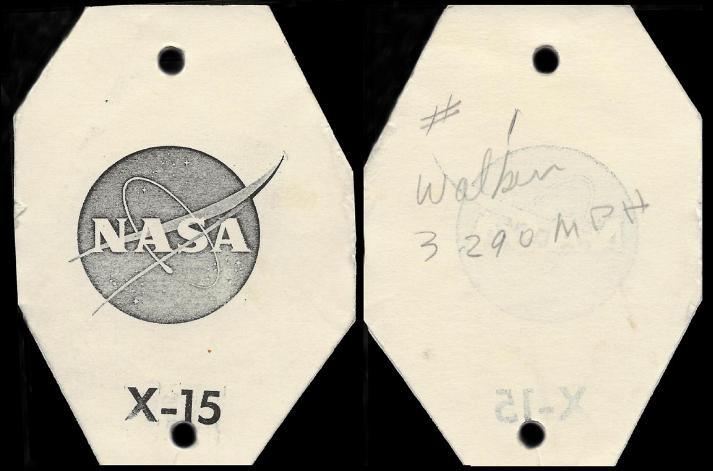
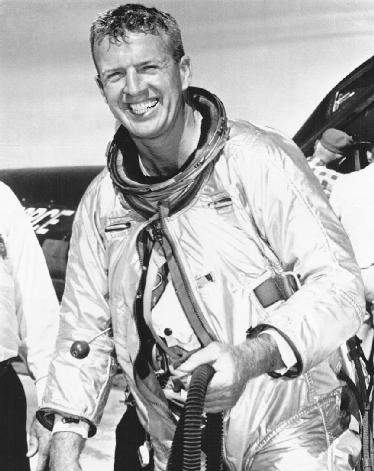
Mission 2-16-31 on 25 May 1961. Joe Walker flew X-15 no. 2 on the first mission from Mud Dry Lake. Initial reports said Walker achieved 3,290 mph, but was later revised to an official speed of 3,307, or Mach 4.95. Walker reached an altutude of 107,500 feet. This flight occurred on the same day that President John F. Kennedy committed America to "land a man on the Moon, and return him safely to the Earth," by the end of the decade. |
||
|
|
|
 |
||
|
|
|
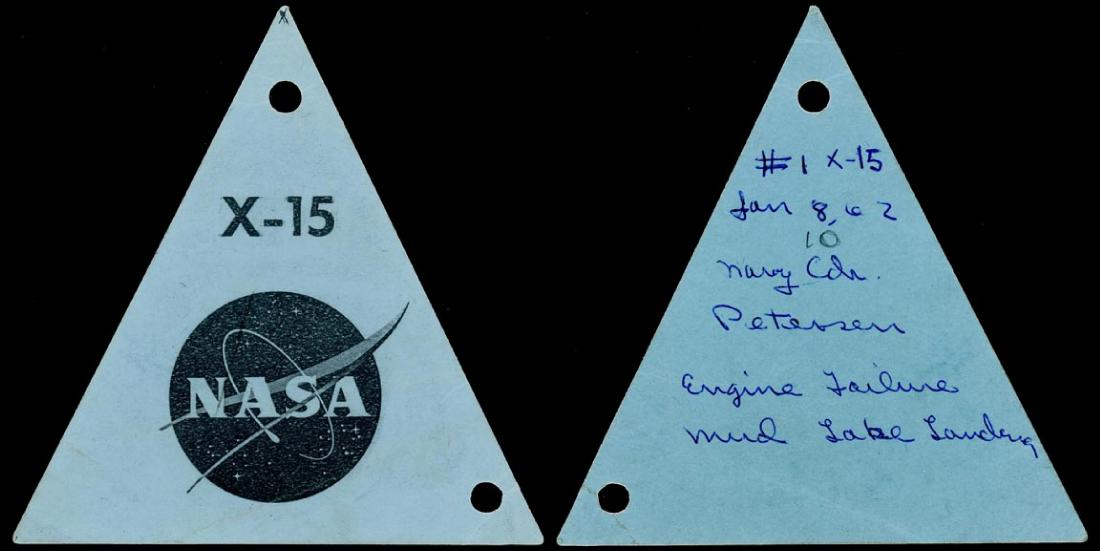
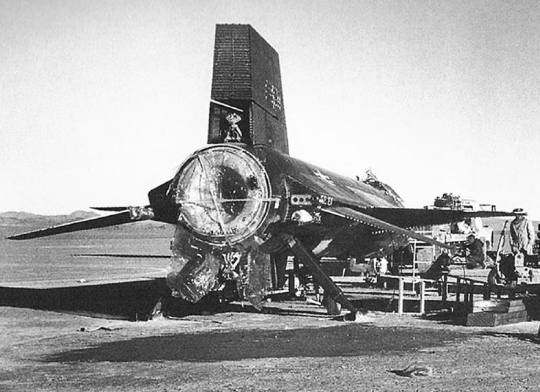
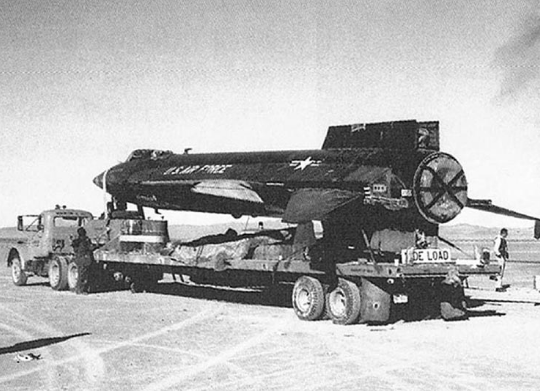
Mission 1-25-44 on 10 Jan.1962. Forrest Petersen launched in X-15 no. 1, but the engine failed to start. This necessitated an emergency landing on Mud lake, in the first such landing outside the local Edwards AFB area. This was also Petersen's last flight on the program. As noted on the flight badge, Dave Stoddard originally marked it as launching on 8 January, but the flight was delayed and flew two days later on the 10th. |
||
|
|
|
 |
 |
|||
|
|
|
|
|
X-15 no. 1 being prepared for transport back to Edwards AFB after landing at Mud Dry Lake near Tonopah, Nevada, on 10 Jan. 1962. |
||
|
|
|
 |
 |
||||
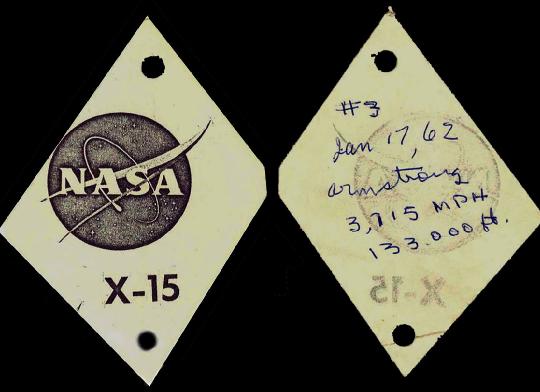
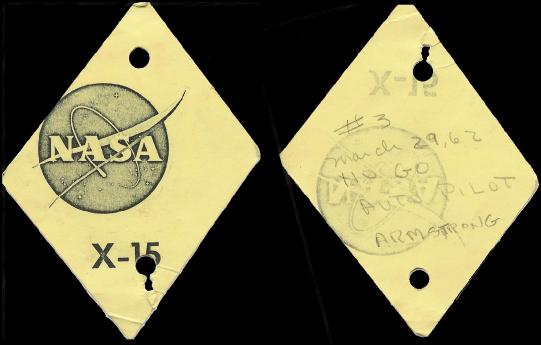
Two flight badges for missions accomplished by Neil Armstrong. At left is the badge for mission 3-2-3 which achieved 3,765 mph at 133,500 feet (revised from Dave's intial numbers). Above is the badge for aborted mission 3-A-4 on 29 Mar. 1962. |
|||||
|
|
|
|
|
|
 |
 |
|||
|
|
|
|
|
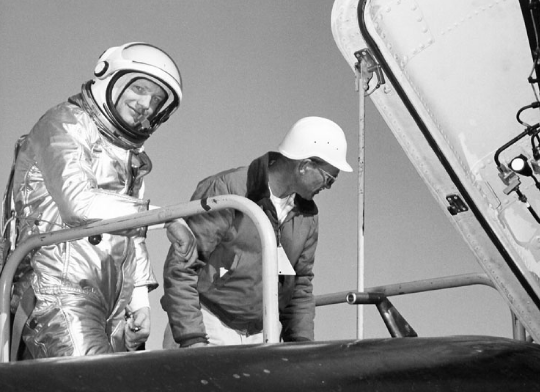
Armstrong at the top of the access stairs, waiting to enter the X-15 cockpit. |
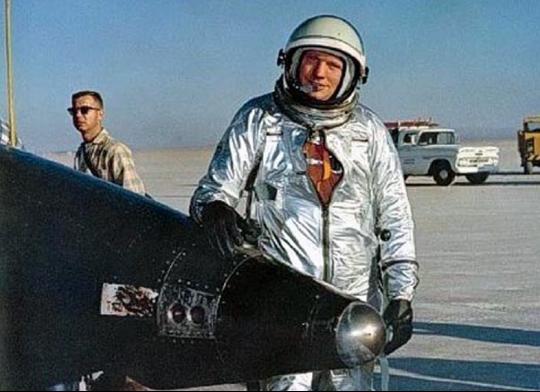
Neil, with his aircraft on the lakebed at the end of his flight. |
|||
|
|
|
|
|
 |
 |
|||
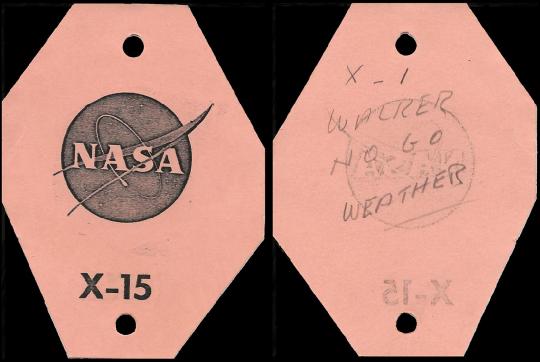
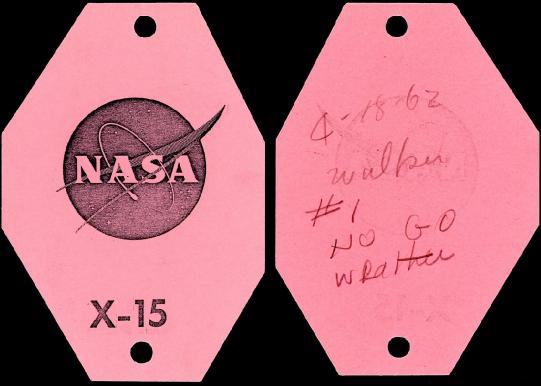
Two badges issued for the same flight attempt, 1-A-45 with Joe Walker on 18 Apr. 1962. The launch attempt was aborted due to cloud cover at the Mud lake launch area. |
||||
|
|
|
|
|
 |
 |
|||
|
|
|
|
|
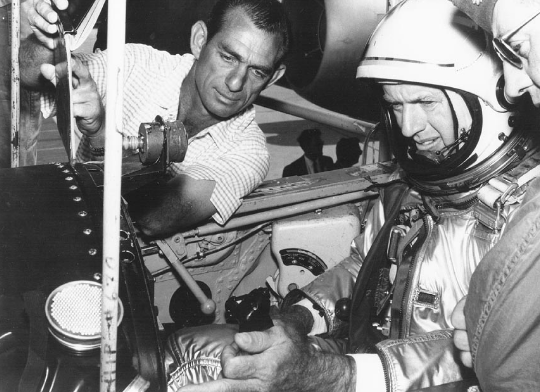
Walker goes over the X-15 control settings prior to closing the hatch. |
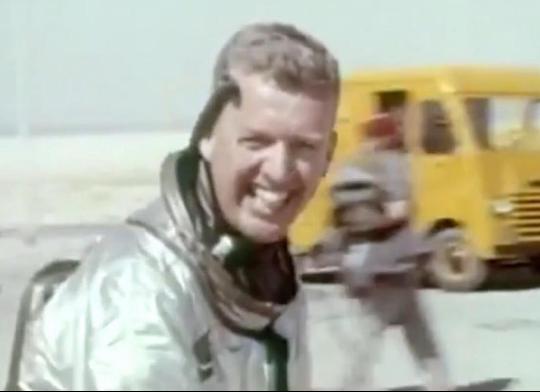
Happy Joe after another successful X-15 mission into space. |
|||
|
|
|
|
|
 |
||
|
|
|
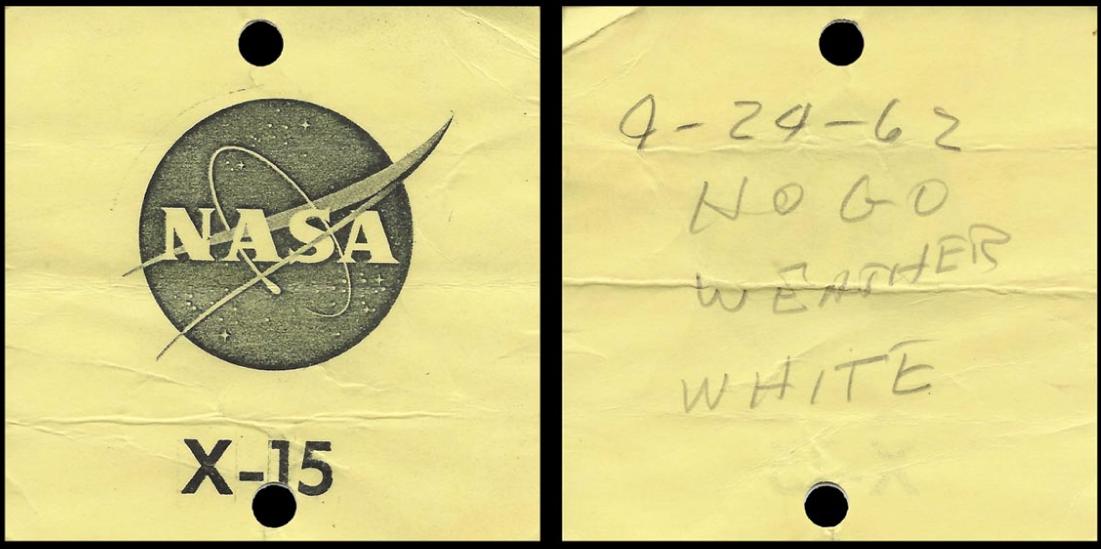
Dave was issued this badge on 24 Apr. 1962 for a mission with Robert White in X-15 no. 2, but the actual flight attempt was not made until one day later on 25 April. This would be mission 2-A-38, and was aborted when too much cloud cover was found over Delamar Dry Lake. This would also be the first of four aborted flights for White over the next five weeks, until he finally made a successful launch on 1 June on mission 2-23-43 to 132,600 feet at Mach 5.42, or 3,675 mph. |
||
|
|
|
 |
||
|
|
|
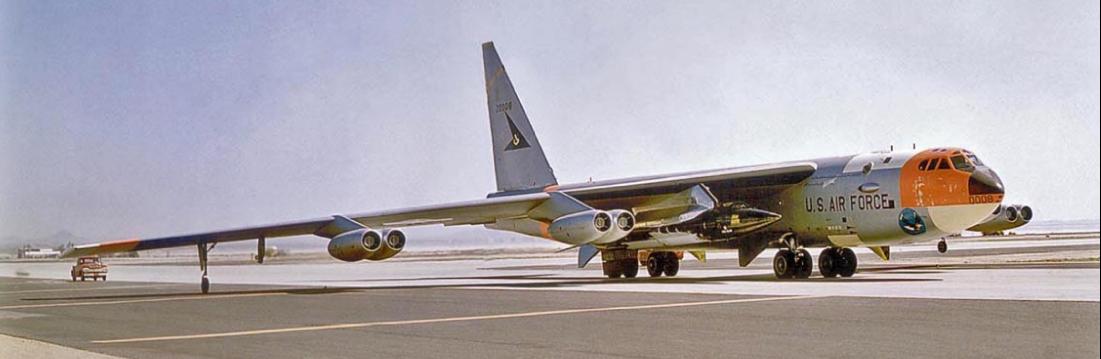
B-52 no. 008 taxis with Bob White nestled in X-15 no. 2 on 25 Apr. 1962. Unfortunately the flight was aborted for weather, and White returned to Edwards the same way he left. |
||
|
|
|
 |
 |
|||
|
|
|
|
|
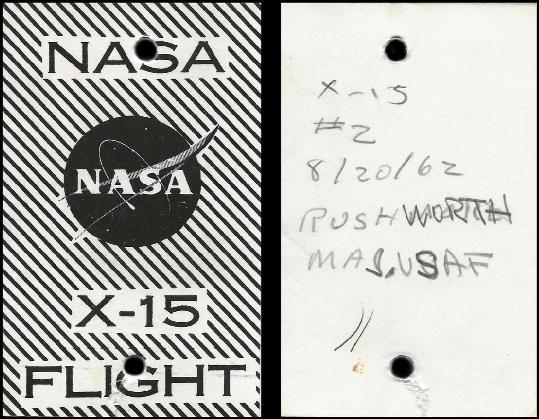
Mission 2-27-47 on 20 Aug. 1962. On this flight Robert Rushworth flew to 88,900 feet at Mach 5.24 or 3,534 mph. The mission orginated out of the Hidden Hills Dry Lake area, and featured the first successful telemetering of an electrocardiogram. |
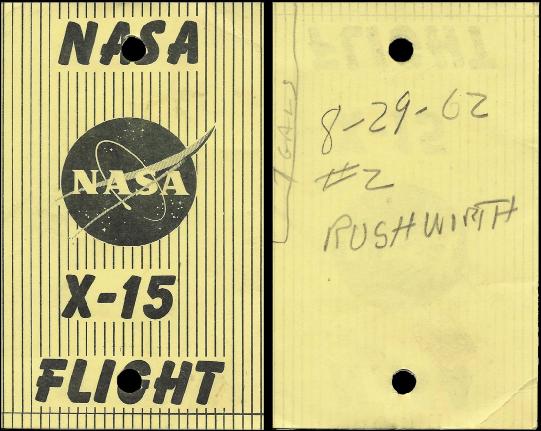
Mission 2-28-48 on 29 Aug. 1962. Rushworth accomplished his second X-15 flight in just nine days between these two missions, and did so in the same aircraft. The flight evaluated aerodynamic heating at a high angle-of-attack. |
|||
|
|
|
|
|
 |
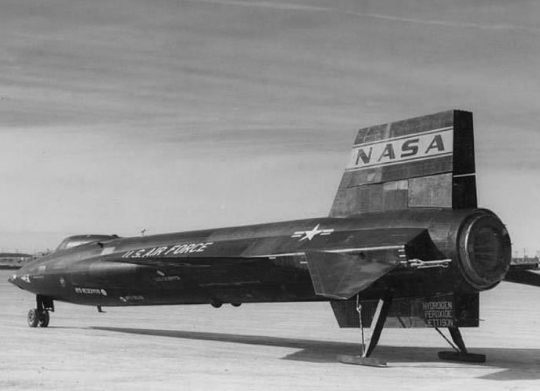 |
|||
|
|
|
|
|
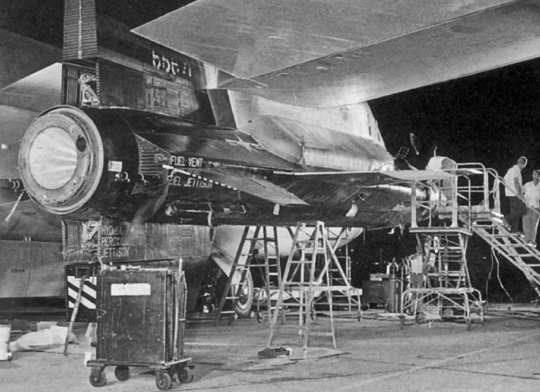
X-15 no. 2 is prepared for a mission long before dawn breaks. |
Post flight, the X-15 sits on the lakebed at Edwards AFB. |
|||
|
|
|
|
|
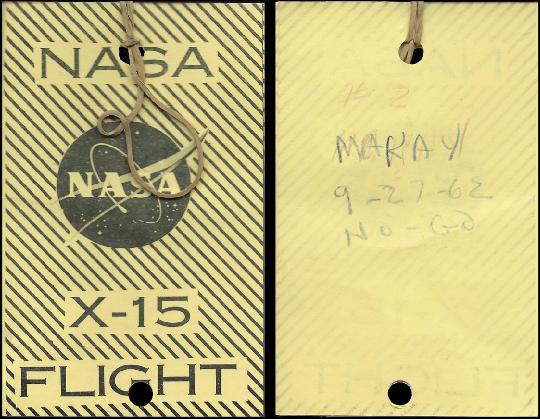 |
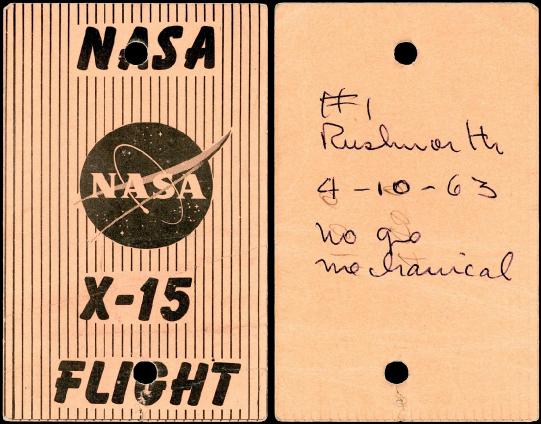 |
|||
|
|
|
|
|
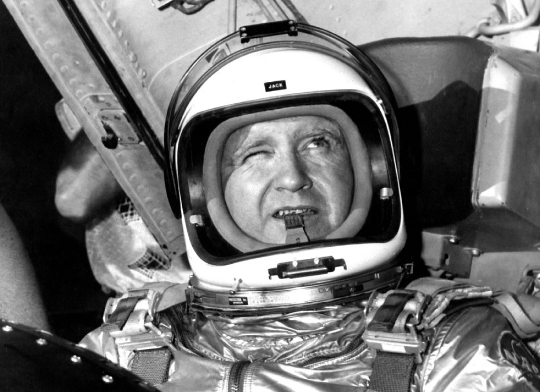
Mission 2-A-49 on 27 Sep. 1962. Jack McKay accidently tripped the handles on his ejection seat, and was unable to get the handles re-stowed, so the flight was aborted. Jack did fly the next day in a test of handling characteristics without the lower ventral. |
On 10 Apr. 1963 a mechanical problem cropped up, preventing the mission from ever taking to the air, so no mission number was assigned. This flight did go forward the following day, and Rushworth flew to 74,400 feet at Mach 4.25 or 2,864 mph. |
|||
|
|
|
|
|
 |
 |
|||
|
|
|
|
|
Jack McKay in the X-15 cockpit, ready to go. |
Robert Rushworth after a successful mission 1-33-54 on 11 Apr. 1963. |
|||
|
|
|
|
|
 |
 |
|||
|
|
|
|
|
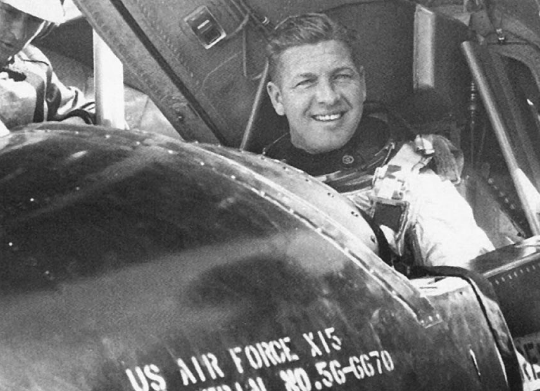
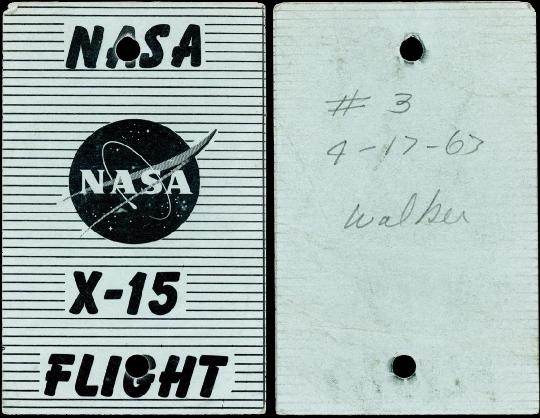
Dave was issued this badge on 17 Apr. 1963, for Joe Walker's flight that would take place a day later. Often preparations caused delays before a mission could start. |
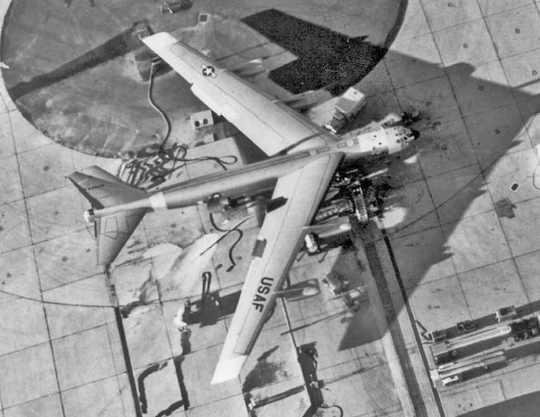
On 17 Apr. 1963, B-52 no. 008 and X-15 no. 3 is prepared for mission 3-15-25. The next day, Walker will take the rocket plane to 92,500 feet and Mach 5.51 or 3,770 mph. |
|||
|
|
|
|
|
 |
 |
|||||
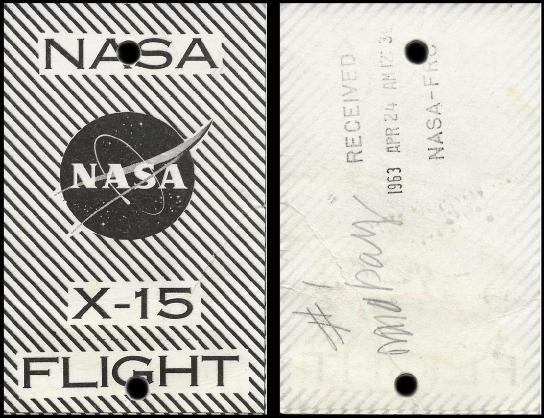
Another flight where the issue date of the badge was a day prior to the mission. Flight 1-34-55 took place on 25 April, and was the first flight by Jack McKay since 4 Nov. 1962, when X-15 no. 2 flipped on its back at Mud lake. The accident caused severe damge to both McKay and the X-15, but both returned to research flight service. |
||||||
Jack McKay accomplished his first flight in X-15 no. 3 on Friday the 13th of March 1964. Mission 3-27-44 achieved 76,000 feet at Mach 5.11 or 3,392 mph. |
||||||
|
|
|
|
|
|
|
 |
 |
|||
|
|
|
|
|
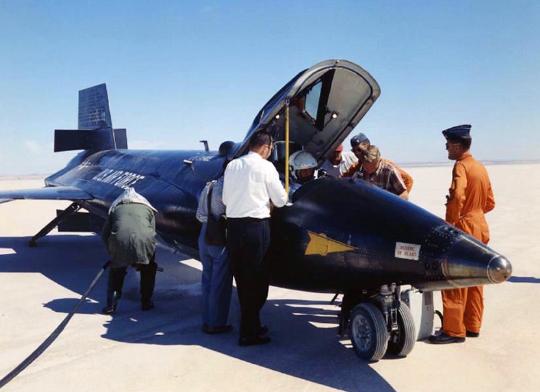
The pilot is checking his cockpit before being helped out onto the lakebed following landing. Note the fireman who is dousing the area under the X-15 for residual fuel. |
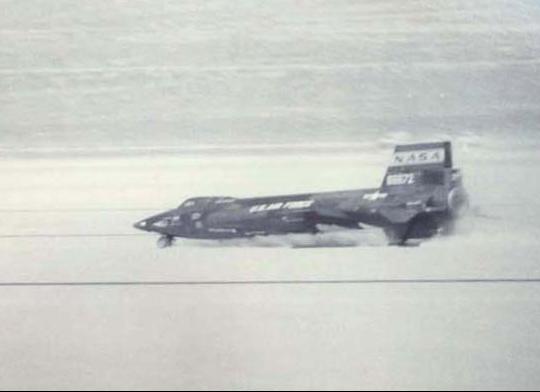
X-15 no. 3 skids to a halt on Rogers Dry Lake at Edwards AFB in California's Mojave Desert. Once the skids hit the dirt the nose wheel slams down. |
|||
|
|
|
|
|
 |
 |
 |
 |
|||||
|
|
|
|
|
|
|
|
|
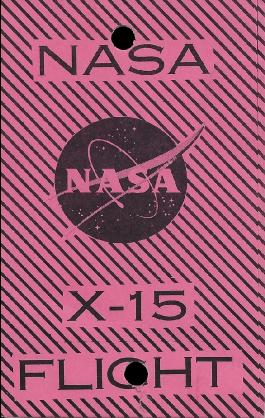
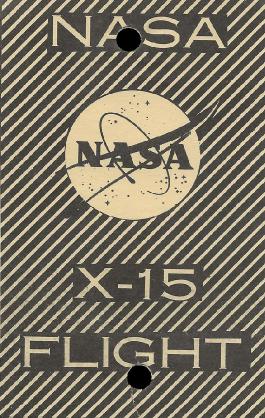
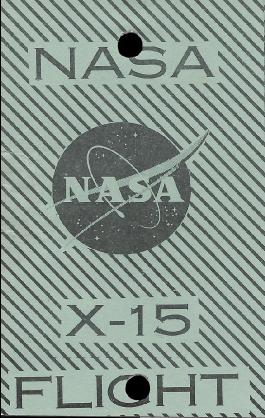
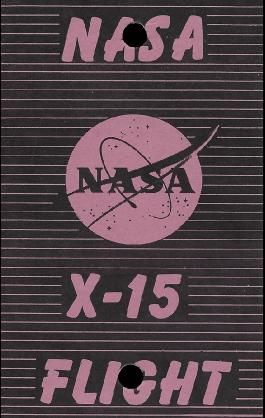
A multi-colored collection of Dave Stoddard's flight badges. These badges do not have the specific flight recorded. |
||
|
|
|
|
|
|
|
|||||
|
|
|
|
|
|
|
|
|
|
|
|